06.07.2026
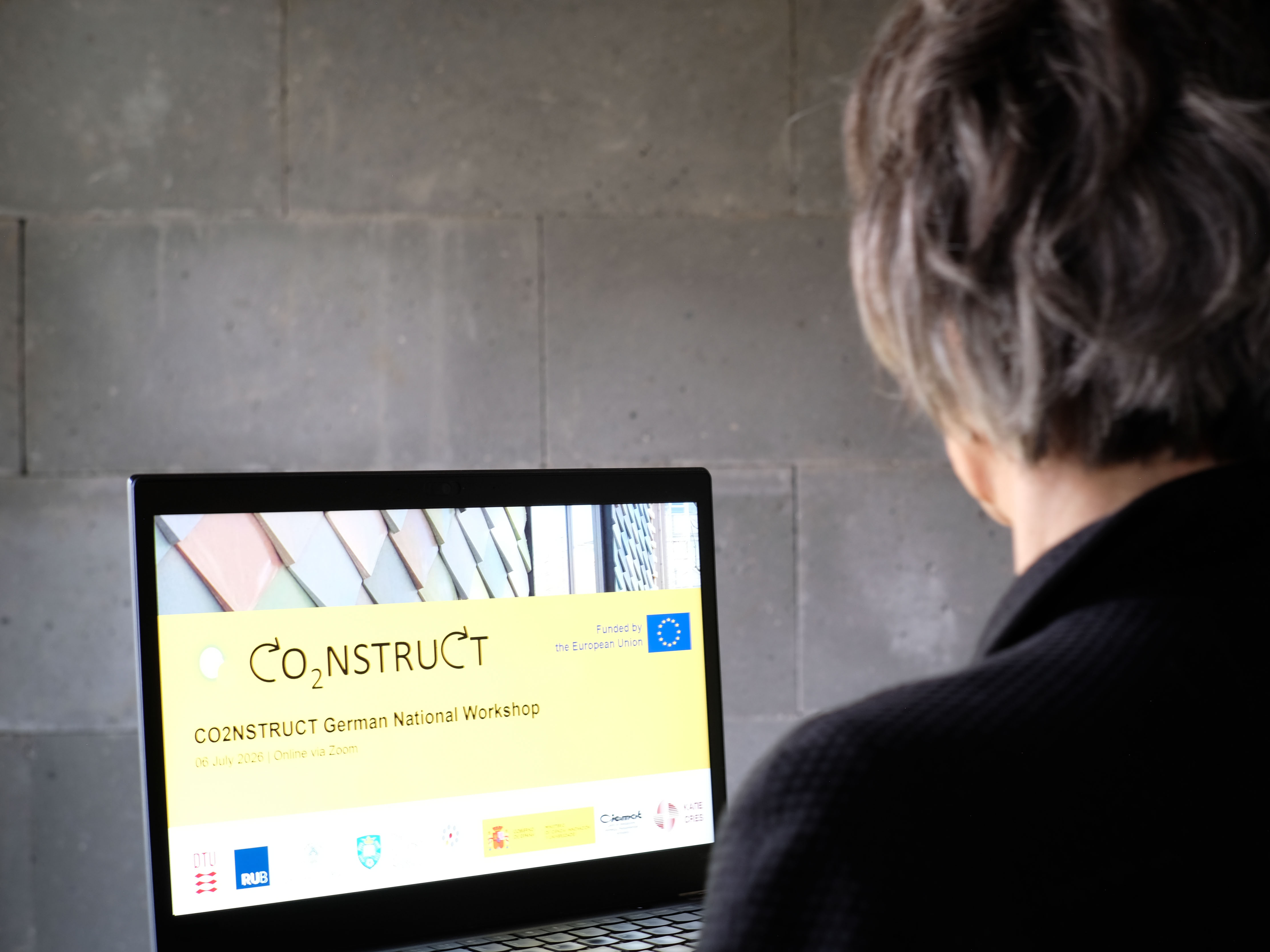
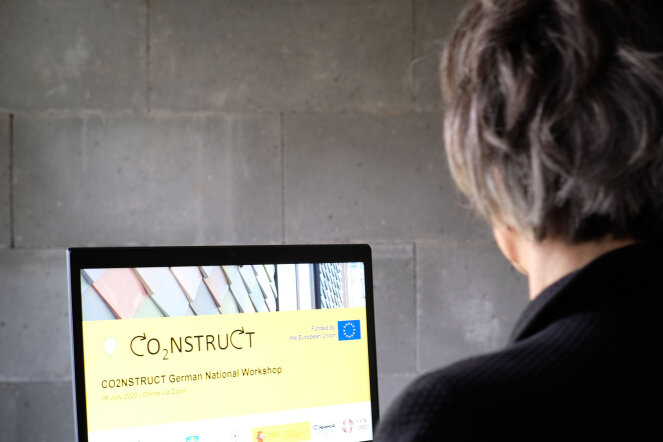
How can circular economy strategies contribute to a climate-neutral construction sector? The German national workshop of the European research project CO2NSTRUCT, held on July 6, 2026, addressed this question.
Organized by Dr.-Ing. Husam Sameer from the Chair of Engineering Hydrology and Water Resources Management and Dr.-Ing. Simon Slabik from the Chair of Resource-Efficient Construction at Ruhr University Bochum, the online event brought together 22 participants, primarily from academic institutions as well as from industry and policy-related organizations.
In the construction industry, the circular economy means more than just recycling building materials: buildings should be used for longer, building components should be reused, and existing space and resources should be utilized more efficiently. The primary goal is to close material loops, avoid waste, and reduce the demand for new raw materials. CO2NSTRUCT builds on this very concept and examines the contribution the circular economy can make to climate protection, as well as the environmental and societal factors that influence its implementation.
In the workshop, the project partners presented current findings on life cycle assessment, water and resource consumption, material supply chains, and societal acceptance of circular approaches. The presentations demonstrated how the various research approaches interact to address the environmental impacts of circular strategies.
How can circular economy strategies contribute to a climate-neutral construction sector? The German national workshop of the European research project CO2NSTRUCT, held on July 6, 2026, addressed this question.
Organized by Dr.-Ing. Husam Sameer from the Chair of Engineering Hydrology and Water Resources Management and Dr.-Ing. Simon Slabik from the Chair of Resource-Efficient Construction at Ruhr University Bochum, the online event brought together 22 participants, primarily from academic institutions as well as from industry and policy-related organizations.
In the construction industry, the circular economy means more than just recycling building materials: buildings should be used for longer, building components should be reused, and existing space and resources should be utilized more efficiently. The primary goal is to close material loops, avoid waste, and reduce the demand for new raw materials. CO2NSTRUCT builds on this very concept and examines the contribution the circular economy can make to climate protection, as well as the environmental and societal factors that influence its implementation.
In the workshop, the project partners presented current findings on life cycle assessment, water and resource consumption, material supply chains, and societal acceptance of circular approaches. The presentations demonstrated how the various research approaches interact to address the environmental impacts of circular strategies.
Copyright © SFB1683 2026
Last update: Sep 18, 2026